
Gambling zones are not just places with casinos. These are complex ecosystems where tourism, urban economics, regulation, and leisure culture intersect. In some countries, they serve as points of attraction for international visitors, in others they serve as a tool for local development.
Moving from offline resorts to everyday leisure formats, it is important to understand that excitement has long gone beyond the physical halls. For those who are not planning a trip to Macau or Vegas, betting in online bookmakers has become an alternative as a form of entertainment rather than a substitute for travel. This segment has its own rules and restrictions, and welcome offers and bonuses are often used to get started.https://devopspro.ru/freebet-1xbet /. They allow you to get acquainted with the mechanics without having to visit gambling zones in person.
Below we will analyze the largest gambling zones in the world without myths and advertising husks: where they are located, how they work and what practical conclusions can be drawn from this.
Macau: Asian center of gravity

Macau is the only territory in China where casinos are legal. This legal status has turned the small region into the largest gambling market on the planet in terms of gross income. Before the pandemic, the total revenue of Macau casinos in some years exceeded that of Las Vegas by several times. After 2020, the market experienced a severe correction, but by 2024-2025, it returned to steady growth due to a softening of visa policy and a focus on the mass player rather than the VIP segment.
Integrated resorts dominate here: casinos are adjacent to shopping galleries, concert venues and hotels with thousands of rooms. The regulator has consistently tightened control over financial flows, which has reduced the role of high-risk junkets and changed the structure of demand. The practical conclusion is simple: Macau has ceased to be a “closed club” for high rollers and has become more touristic, with clear rules and a transparent environment.
Las Vegas Strip:entertainment model
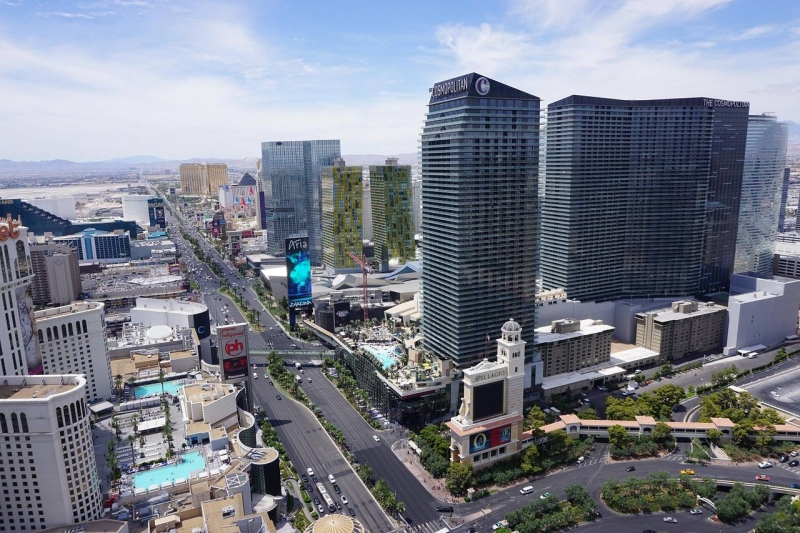
Las Vegas is often perceived as synonymous with casinos, but its main strength lies in diversification. The share of gambling in the income of large resorts here has long been inferior to shows, restaurants and convention tourism. This is a deliberate strategy that has allowed the region to survive the crises and maintain the flow of guests.
Regulation in Nevada remains one of the most mature in the world. Strict licensing requirements, public reporting by operators, and state control create a predictable environment. For the visitor, this means a stable level of service and clear rules of the game. In recent years, Vegas has been actively investing in sports events, from Formula 1 to the NFL, which has further shifted the focus towards comprehensive leisure activities.
Singapore: limitation as a growth tool
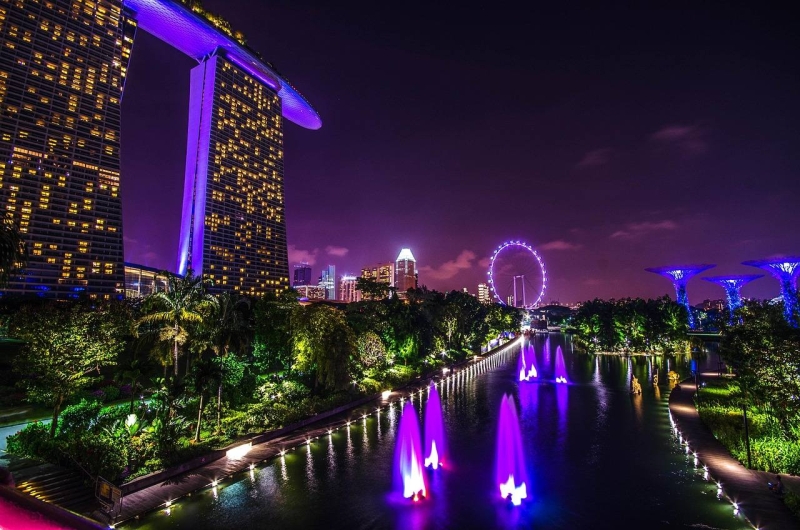
Singapore is an example of how strict restrictions can work for market stability. There are only two casinos here, but each is built into a large-scale resort with museums, observation decks, and business spaces. There is a paid entrance and a self-exclusion system for citizens of the country, which significantly reduces social risks.
The economic effect is significant: gambling zones have become drivers of tourism and employment. The regulator regularly reviews the rules, increasing the requirements for operators and raising taxes. The practical lesson of the Singapore model is that a limited supply with strict controls can be more effective than a free market without filters.
Monte Carlo: a symbol of status and history
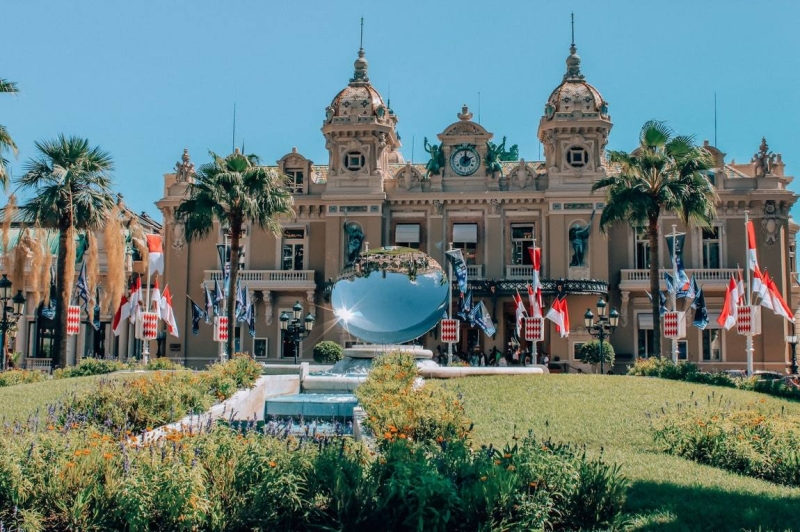
Gambling zone Monaco is one of the oldest in the world. Excitement has never been a mass-produced product here. The Monte Carlo Casino is integrated into the economy of the principality as an element of the brand and tourist attraction. Revenues from the game are not key to the budget, but they support the image of the region.
The regulation here is conservative, and the requirements for visitors are stricter than in most modern zones. This is a conscious choice that preserves uniqueness but limits scaling. For the player, Monte Carlo is more of a cultural experience than a place for regular visits.
Philippines:a fast-growing market
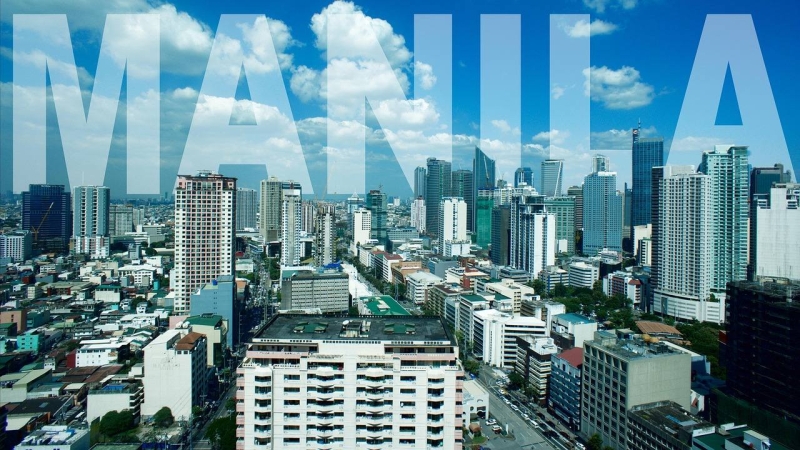
Manila has become a prominent point on the Asian gambling map in recent years. The Entertainment City gambling zone has developed as an alternative to Macau, focused on international tourism and online destinations. The PAGCOR regulator actively licenses operators, including remote formats.
Growth is accompanied by competition and changing rules. The tax burden is increasing, and additional reporting requirements are being introduced. For the visitor, this means a more diverse offer, but also the need to be more attentive to the conditions and local restrictions.
Europe outside the capitals: resort format
In addition to well-known centers, there are specialized areas in the resort regions in Europe. They are often focused on seasonal tourism and work in conjunction with wellness or sports areas. Incomes are more modest here, but sustainability is higher due to integration into the regional economy.
What to consider when choosing a gambling zone
Before traveling or choosing a leisure format, it makes sense to ask yourself a few practical questions. They help to avoid disappointment and unnecessary expectations.
First, you should understand the purpose of the visit. If you are interested in the scale and variety, it is logical to choose Vegas or Macau. If architecture and atmosphere are important, Monte Carlo is suitable. Singapore is suitable for combined tourism with strict rules.
Next, regulation matters. In countries with developed supervision, there are fewer surprises with rules and service. Finally, the budget and time. Large zones require significant costs and planning, while the online format remains more flexible.
Where is the market moving
The trends of recent years have converged on one thing: gambling zones are becoming part of the broader entertainment industry, rather than its center. The role of events, gastronomy and sports is increasing. Regulators are increasingly looking at the social consequences and imposing restrictions that change the behavior of players.
For the user, this means more options and fewer extremes. Excitement is no longer an all-or-nothing trip and is increasingly integrated into ordinary leisure activities, whether it’s a visit to a resort complex or an evening bet online.