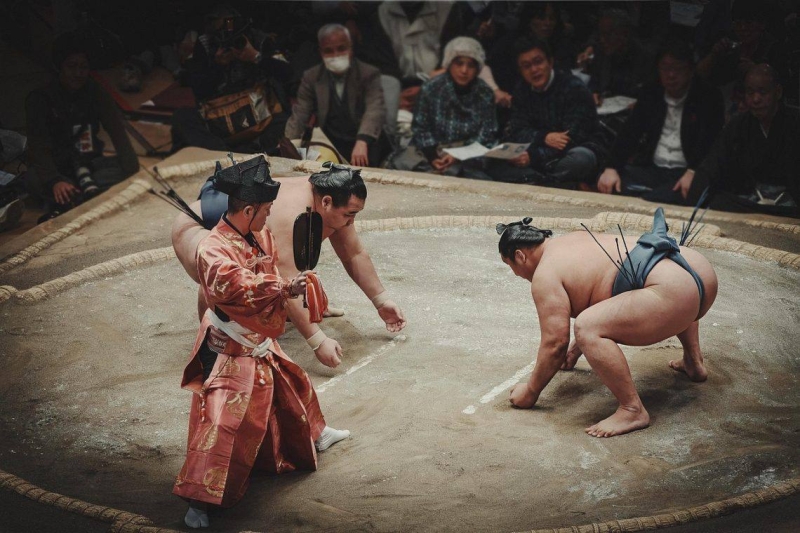

In Tokyo, sport is a living ritual, the embodiment of age-old discipline and a mirror reflecting the spirit of the nation. Here you can experience two cultural shocks in one day: feel the hum of an ancient tradition in a dimly lit training hall where sumo giants are fighting, and then plunge into electrifying modernity in a baseball stadium where tens of thousands of people sing and dance to the perfect rhythm. To understand Japan through sports, you need a special route. A route that starts before dawn and ends under neon lights, linking temples and stadiums into one.
Martial arts fans make bets on unusual sports disciplines in Japan. Moreover, they are offered betting by the most reliable bookmakers on the “Rating of Bookmakers” website with user reviews.
Early morning in haya: where the spirit of sumo is born
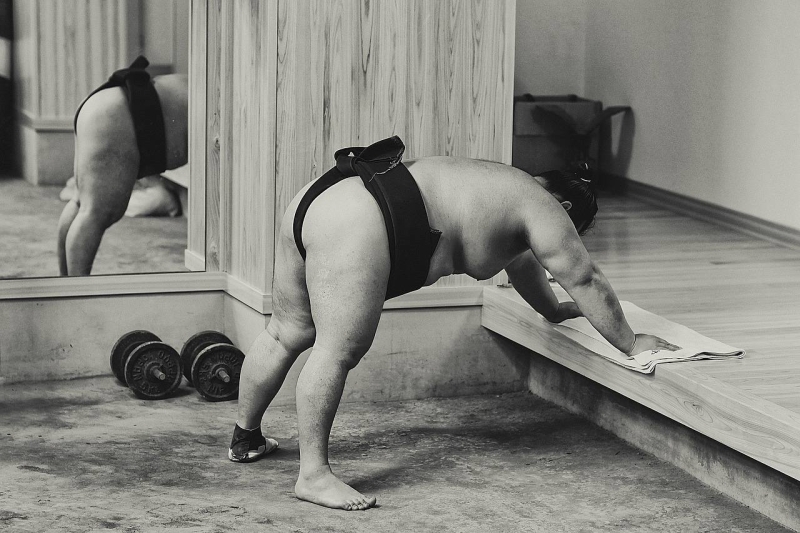
Your day should start after dark, around five in the morning. The goal is one of the few “hayas”, sumo stables in Tokyo, which open their doors to the most persistent spectators. This is not a tourist show, but a religious ceremony. Rikishi, sumo wrestlers, live here according to the strictest regime: getting up, training, eating, sleeping. Everything is subordinated to one goal – power.
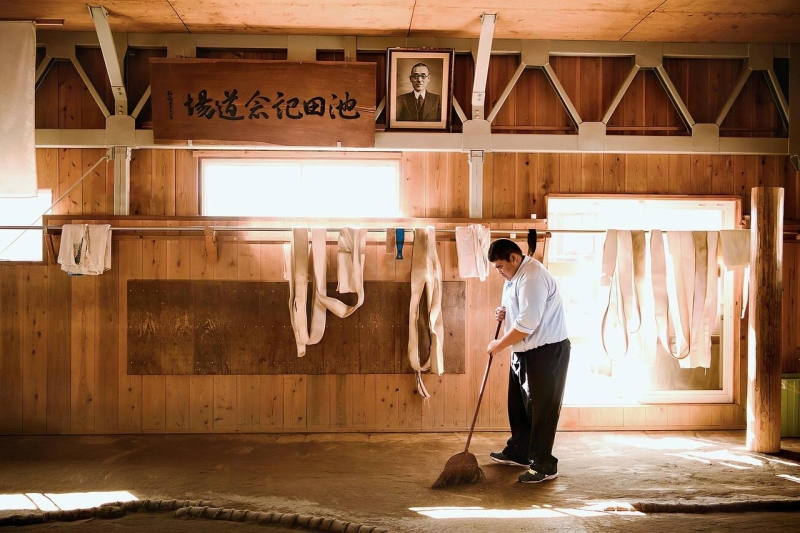
Getting to the morning workout is not an easy task. You need to contact Hay in advance (often through the website of a hotel or travel agency), get permission and strictly follow the rules. You can only take pictures at certain moments, talk in whispers, and it is impossible to leave the room during the action. You are sitting on the floor in a cramped gallery, just a few meters from the sanded clay playground.
What will you see?Slow, meditative warm-ups give way to explosive encounters. The sound of two huge bodies colliding in the center of the circle is deafening. The coach, often a former great wrestler, gives commands in an icy tone. The younger wrestlers do the hardest work, serve water, and clean up after the older ones. Hierarchy, respect, and pain reign here. It is a tough, almost monastic world, where traditions are stronger than any progress. When you leave, you realize that sumo is not about weight. It’s about discipline, patience, and a ritual that hasn’t changed in centuries.
Tournament ticket: how to enter the bass cycle
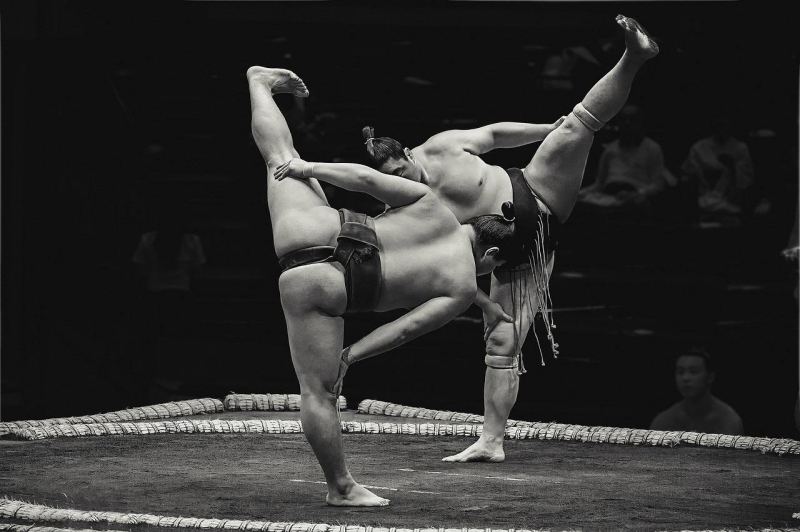
If the training is behind the scenes, then the tournament, basho, is a grandiose performance. In Tokyo, they take place three times a year: in January, May and September in the huge Ryogoku Kokugikan, the national sumo wrestling hall. Buy a ticket for a separate quest. The cheapest seats, on cushions on the floor near doha, are sold out instantly, almost as soon as the sale opens, months before the event. You can try to find them on the official website through a complex lottery system or through Japanese services.
If you’re unlucky, there are still seats on the balconies. From there, the wrestlers seem smaller, but the whole grandiose picture is visible: the exit ritual, the scattering of salt for cleansing, the famous racks. Every movement, from the wrestler’s pose to the referee’s gesture, is full of meaning.
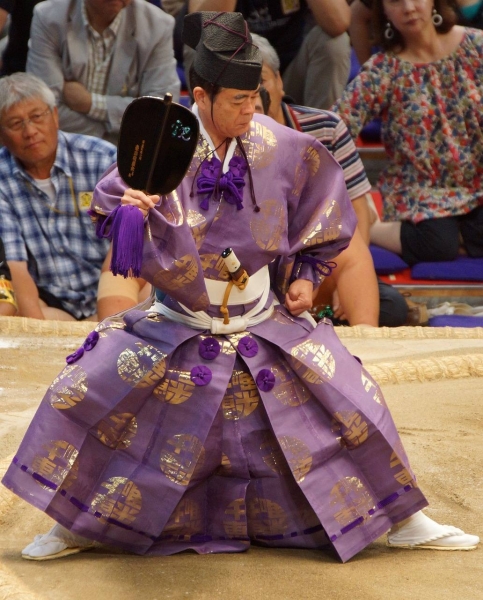
The match lasts seconds, but the preparation for it takes minutes of meditative concentration. You will notice how the absolute silence before the fight is replaced by an explosion of emotions after it ends. And then, when the winner makes a symbolic gesture, and the loser leaves the circle with a bow, everything returns to order.
During the intermission, immerse yourself in a gastronomic experience. The food courts sell traditional food for the audience.: tyakonabe (a hearty stew that wrestlers eat to gain weight), yakisoba, bento. It’s part of the experience. You eat the same thing that you see in front of you, and you feel connected to the event on a physical level.
What do you need to know before traveling?
1. Super-early start: Contact Hay 2-3 months before the trip to get a chance to attend a workout.
2. Lottery tickets: visit the official website of the Japan Sumo Association (Nihon Sumo Kyokai) and check out the schedule of lottery tickets for basho.
3. Alternative to agents: If the lottery is unsuccessful, check with authorized Japanese ticket agents (like Japan Concert Tickets), but be prepared for extra charges.
4. Rules of conduct: in Regoku, keep quiet during fights, do not point at the wrestlers with your feet (this is rude), applaud moderately.
5. Look for odori: on the last day of the tournament, after the award ceremony, a beautiful ritual bow dance “yokuzuna odori” takes place.
Gear shifting: the path from the sumo ring to the baseball altar
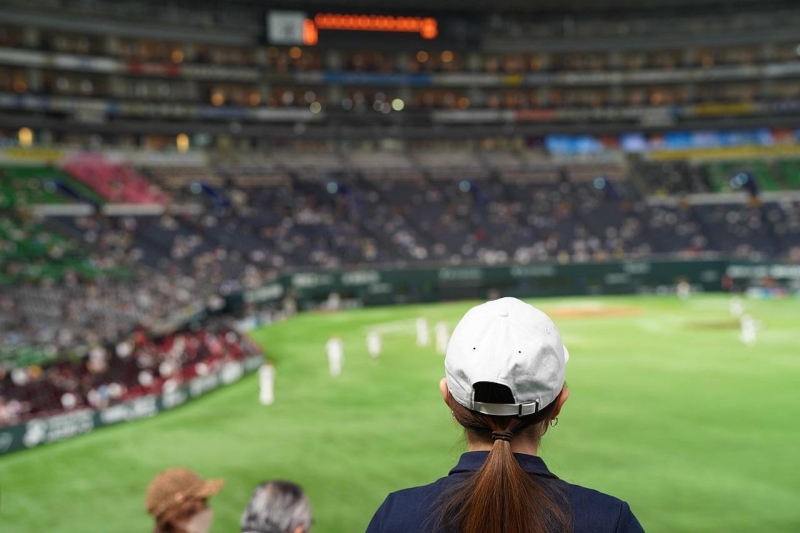
Leaving the heavy, tradition-filled air of Ryogoku, you travel not only through Tokyo, but also through the epochs. Your next goal is a baseball stadium. Japanese baseball is a phenomenon. He adopted American rules, but clothed them in an absolutely Japanese flesh and spirit. There is no place for chaos here. There is an organized, melodic madness here.
The key element is cheers, support groups. It’s not just girls with pom-poms. These are professional musicians and singers who are placed in the stands behind the line of play and control the mood of tens of thousands of fans throughout the entire nine innings. Each player of the home team has his own personal song, which the cheers and fans sing when he goes out to bat. The opponent is greeted with a well-coordinated, almost mocking march, which instantly stops as soon as the pitcher prepares to throw.